

Fellowship Hour III
At the conclusion of our last post, we were sitting together on the porch of our new temple.
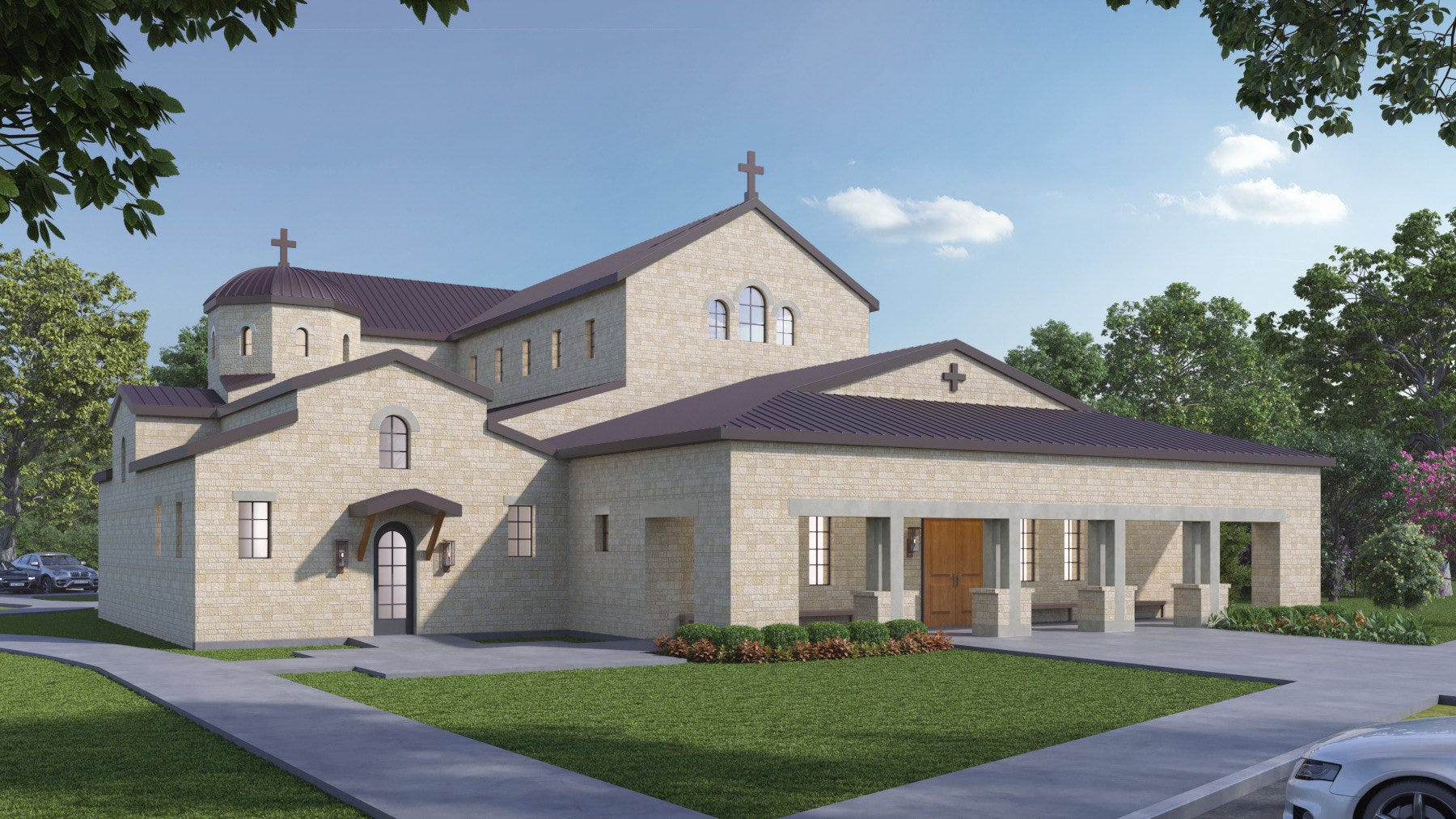
We’ve both got a plate of food; you’ll probably have a cup of coffee; I prefer my caffeine to be cold. And we’re sitting out here because, for the last couple of weeks, we’ve been talking about Fellowship Hour.
We’ve noted that what happens during that Sunday meal is the same thing that happens during the Divine Liturgy—it’s an “exchange of lives”: in the Liturgy, the Father, Son, and Holy Spirit fill us with the Life that They share, and then, during Fellowship Hour, we, in turn, give ourselves to our sisters and brothers in the parish.
And, while Fellowship Hour has historical and liturgical connections to services like the Agape (that was celebrated by early Christians) and the Panagia (that is still offered in monasteries), it’s not surprising that it’s taken on a new life in American parish practice because, for all our many faults, we Americans are a friendly and outgoing people.
But in the last few years, research has consistently indicated that lots of people in our country also struggle with loneliness and isolation.
That means when it comes to sharing a meal and sitting here on the porch of our new temple, folks are going to have a variety of reactions and responses: Some people are going to be excited about the opportunity to connect with others at a deep and personal level; on the other hand, there will be folks who will want to avoid all that because learning to much about others and sharing too much about themselves just makes them uncomfortable.
So, while we’re out here, we need to think about what actually goes on in this “exchange of lives” that is supposed to take place during Fellowship Hour. And to get some clarity on that, we should turn again to the holy father who came up with the phrase, Elder Zacharias of Essex. He writes that the key is
to live and move in humility, to subdue one’s spirit in everything to the Spirit of God. This is manifest above all in one’s contact with one’s brethren…[the brother or sister] passes unnoticed without usurping the space of the brethren and ensuring their freedom at all times. The opposite is also evident: anything that causes others to notice us, demanding constant attention, is not helpful to the life of the community. (Monasticism pp 208-209)
The goal, then, of this incredible “exchange of lives” that happens both in the Divine Liturgy and in Fellowship Hour is to ensure the “freedom” of our sisters and brothers “at all times”.
So those of us who desire to form deep and personal connections through this meal and through sitting out on the porch will not be disappointed: however, those deep and personal bonds are not going to be the product of our own self-disclosure; those connections will be the result of our humble investment in the lives of others.
And those of us who are anxious about sharing too much will be able to relax--but we will also need to give ourselves to others in an even more profound way through the unassuming work of love that happens when we just share a meal and simply spend time with our sisters and brothers.
If you need a description of the sort of people this kind of activity produces, you can’t do better than read the closing pages of C.S. Lewis’ Mere Christianity.
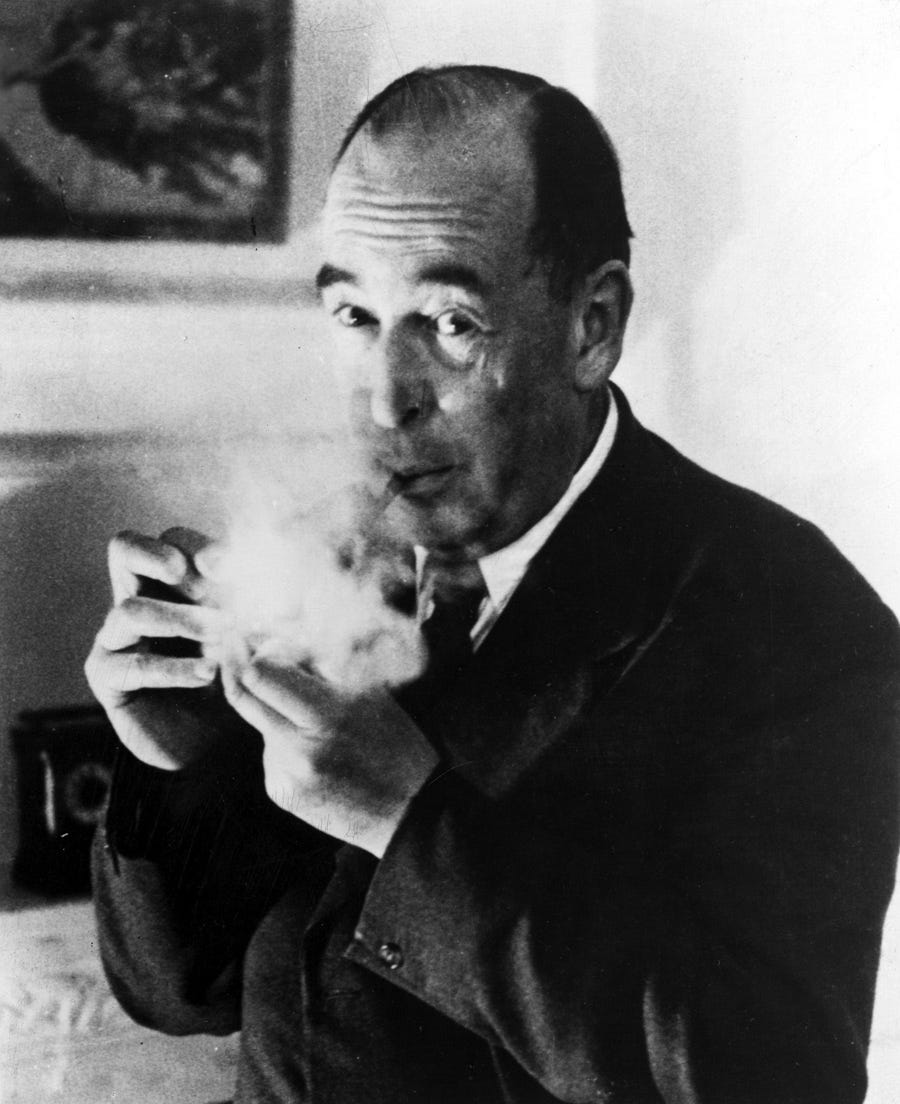
In the final transcript for that last radio broadcast, the professor describes what these folks are like:
“Their very voices and faces are different from ours: stronger, quieter, happier, more radiant. They begin where most of us leave off. They are, I say, recognizable, but you must know what to look for. They will not be very like the idea of ‘religious people’ which you have formed from your general reading. They do not draw attention to themselves. You tend to think that you are being kind to them when they are really being kind to you. They love you more than others do, but they need you less…They will usually seem to have a lot of time: you will wonder where it comes from…” (pp 187-188)
When people talk about the Orthodox Spiritual Life, you will often hear a great deal about fasting and prostrations and prayer and almsgiving and spiritual reading, but you don’t hear a whole lot about fellowship—how we are called to focus on others, and through others, on the Father, Son, and Holy Spirit.
But that’s how we are becoming a genuine community, and that’s how we will, finally, enter into the Divine Community of the Most Holy Trinity: through that amazing “exchange of lives” that occurs both in the Holy Eucharist and in Fellowship Hour.
That’s why we’re sitting out here on the porch, but now that we’ve wrapped up our time together, it’s worth asking: Don’t you want to be a part of all that?
Think about joining us in Cedar Park.
Seriously.
If that’s just not possible, then do the next best thing: Join us in prayer (Akathist for a New Temple: PDF/video); restack this post; upgrade your subscription to Paid, purchase a Come See Something Beautiful sweatshirt, remember a departed pet with an image in the Calming Room of our new temple, or make a donation to our Building Fund.
While you’re thinking through those options, we’ll wrap up our porch time with a classic from Bob Wills and His Texas Playboys
Exchanging lives might be one of my very favorite things to behold