

CGS
In our last post, I promised to write about how we do Church School and how we help children in the Divine Liturgy.
And, yeah, we’ve been using a lot of acronyms in our titles, but this is the shorthand name for our Church School program.
And, yes, we do use a program; it’s called Catechesis of the Good Shepherd. CGS was originally developed by a woman named Sofia Cavaletti, who was a protégé of Maria Montesorri—that means, in its original form, the program was Roman Catholic. However, there is a full and flourishing Orthodox adaptation of CGS that has been blessed by several jurisdictions.
But let me just pause right here and note that, while I’m sure the Roman Catholic origins of the program are going to automatically make it suspect to some Orthodox folks, after working with the Catechesis of the Good Shepherd for close to twenty years, and after interacting with Roman Catholic catechists and trainers throughout that time, I can say that we have experienced nothing but support and kindness and encouragement and generosity from our Roman Catholic brothers and sisters.
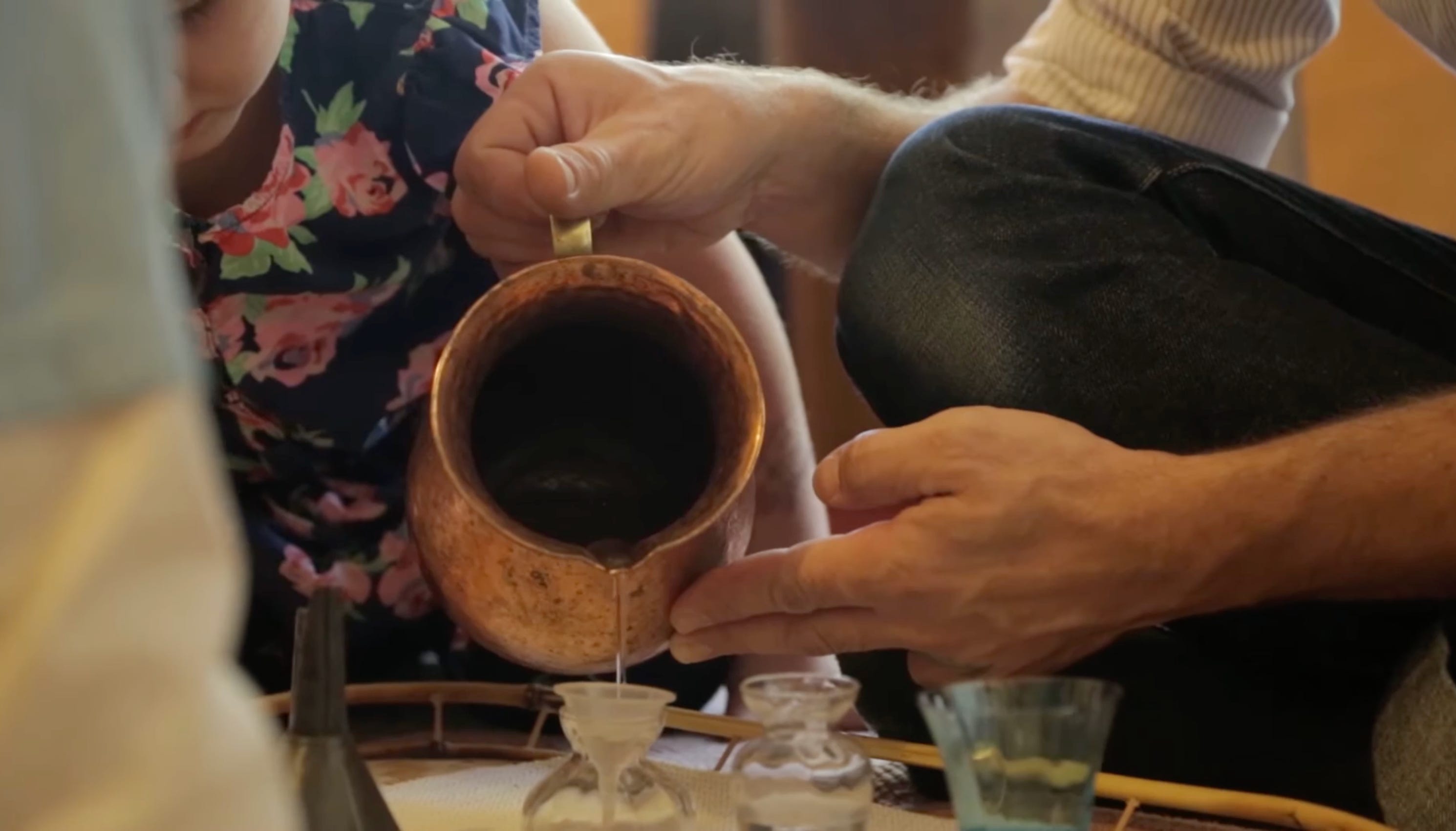
So, let’s talk about the program itself: there are three levels within the Catechesis of the Good Shepherd. Level I includes ages 3-6; Level II includes ages 6-9; Level III includes ages 9-12. Each level has its own space, which, in CGS, is called an atrium. Here are some photos of our atria at St John’s:


You can easily see the Montessori influence in the ways that the atria are arranged, but, with the gorgeous iconography by our very own Baker Galloway, you can also easily see how we are adapting CGS to Holy Orthodoxy.
If you know anything about Montessori-based education, you know that it is oriented to the child’s interest and that it moves at the child’s pace. Children and young people chose their own work; the catechists provide guidance and facilitate what is going on. But the sessions themselves last at least an hour, and they often run closer to two hours.
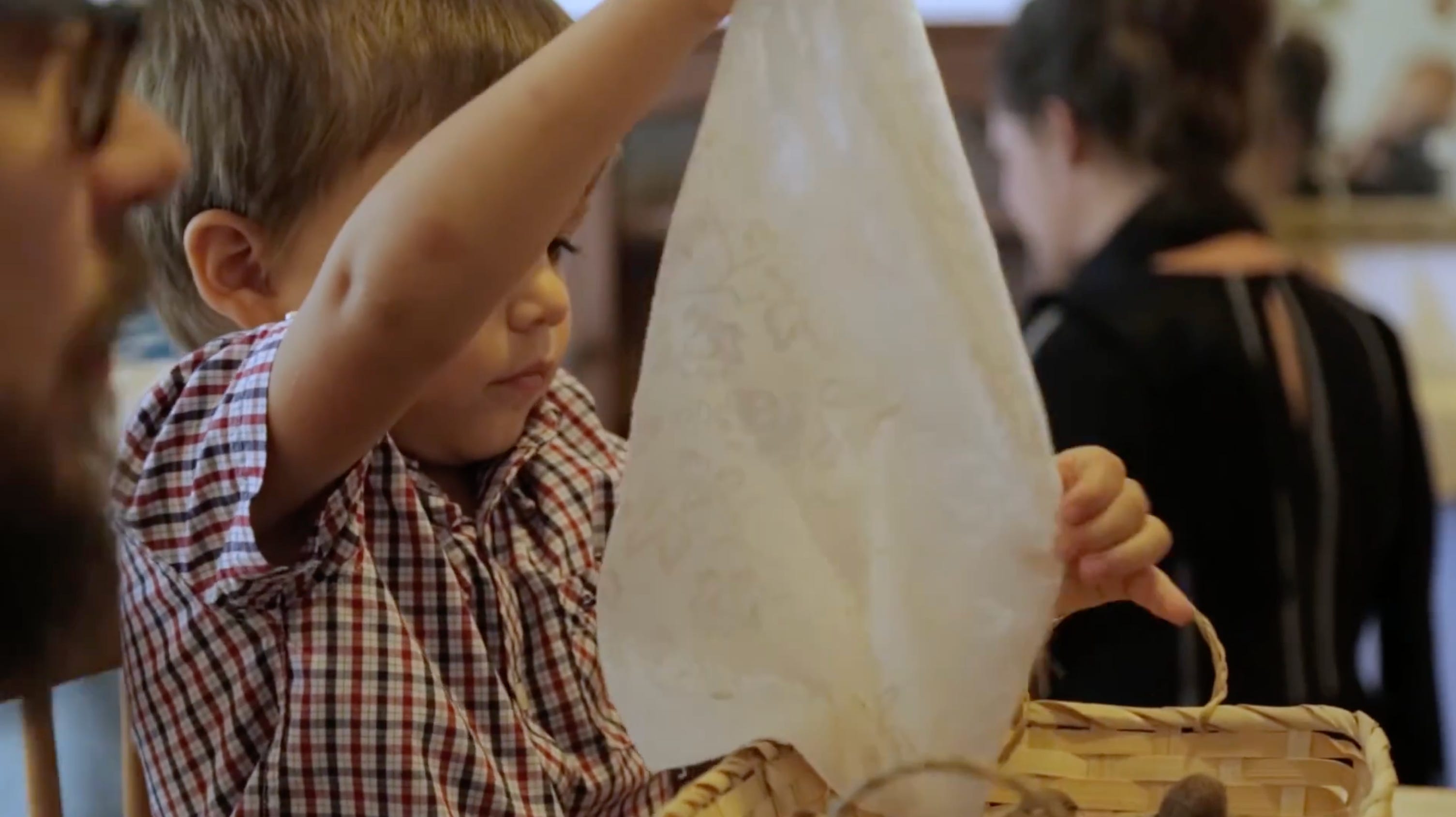
So, how in the world are you supposed to fit that kind of time block into a busy Sunday morning?
And, for sure, one to two hours is a big chunk of time, but, finally, when it comes to Church School, the problem is not how long it lasts, the problem is when it should take place. In fact, that’s pretty much a basic and bedrock problem for all Orthodox communities: when in the world are you supposed to offer any kind of Christian education?
But what we never talk about is the origins of this problem. And what has generated this problem is an ecclesiastical collision.
We Orthodox use a liturgical schedule that was put together by monastics in the first millennium.

Church School was invented by Protestants in the nineteenth century.
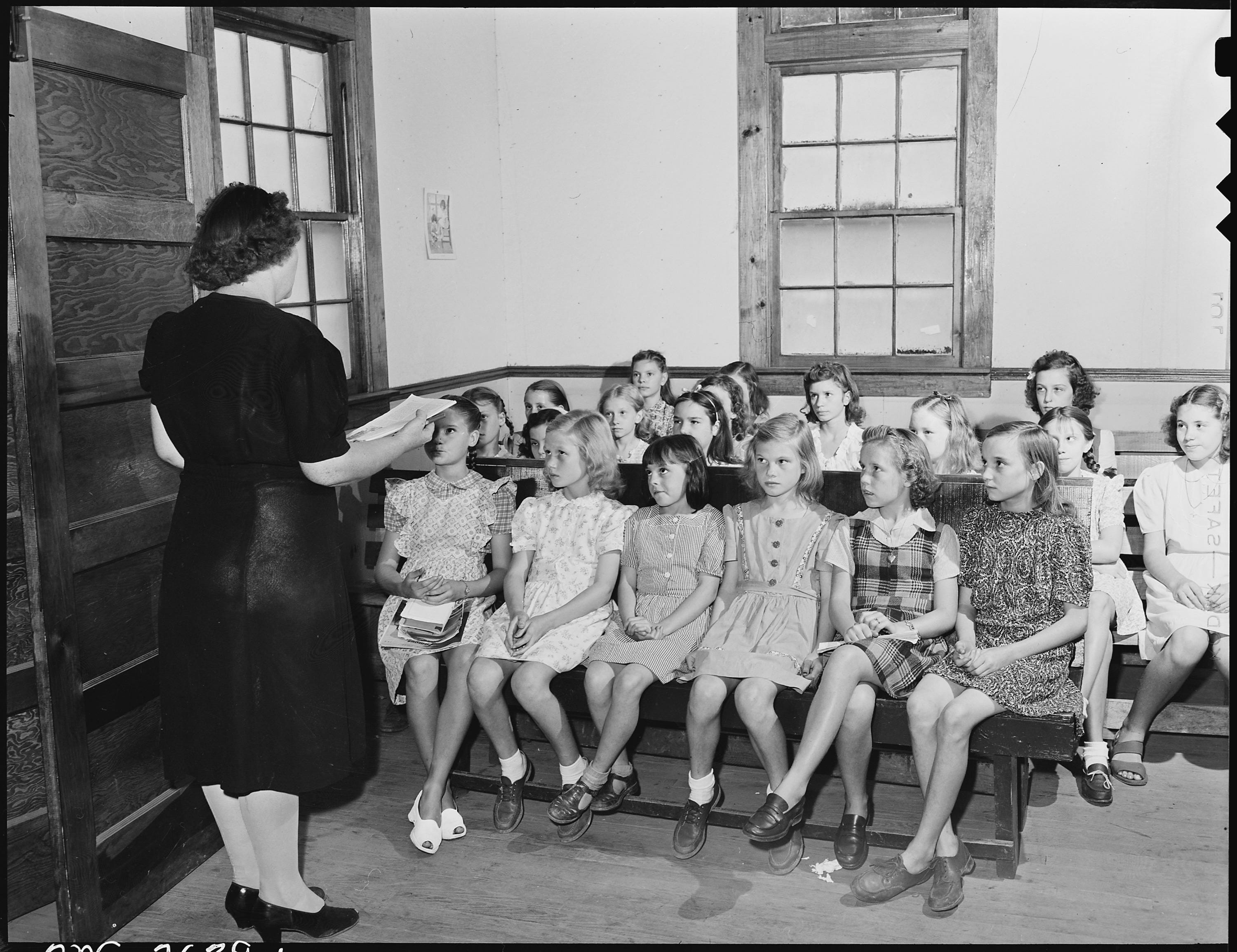
So, we’re trying to combine to two different ecclesiological systems. We’re trying to unite an approach that emphasizes worship with an approach that emphasizes education.
But it can be done.
We’re living proof.
Remember, the Most Holy Trinity may want you to tackle all this in a different manner, but here’s what we do at St John’s.
In most Orthodox parishes, there are two services on Sunday morning: Orthros, the ancient monastic morning service, is followed by the Divine Liturgy. But most folks just regard Orthros as something of a warm-up act or a pre-game show. That means, in American parish practice, Orthros is just about always majorly abbreviated: what was originally a two-hour service now often lasts forty-five minutes.
So, what we did, over twenty years ago, is restore Orthros to its original length. That means we start the service at 8am, and then we begin the Divine Liturgy at 10am. But we also start Church School at 8:15am; that gives the children and the catechists a full hour and a half to work in the atria, and it also allows the parents of young children to participate in Orthros without having to also be a mom or a dad.
And, of course, there have been folks who have been surprised that we start Church School so early. But I just consulted Mr. Google, and He’s telling me that, across the country, the average start time for elementary schools is 8:03am, so by starting at 8:15am, we’re actually giving everyone a twelve-minute break (and, surely, Christian Education is just as important as public or private education).
And, believe it or not, we get a lot of ribbing (some good-natured; some not so good-natured) from clergy about doing the full service at Orthros. Across the years, we’ve been told that we’re fundamentalists or liturgical snobs or just weird, so let me take the opportunity and say this to all our crotchety concelebrants: “Fathers, we just like to pray—and you’re welcome to come pray with us.”
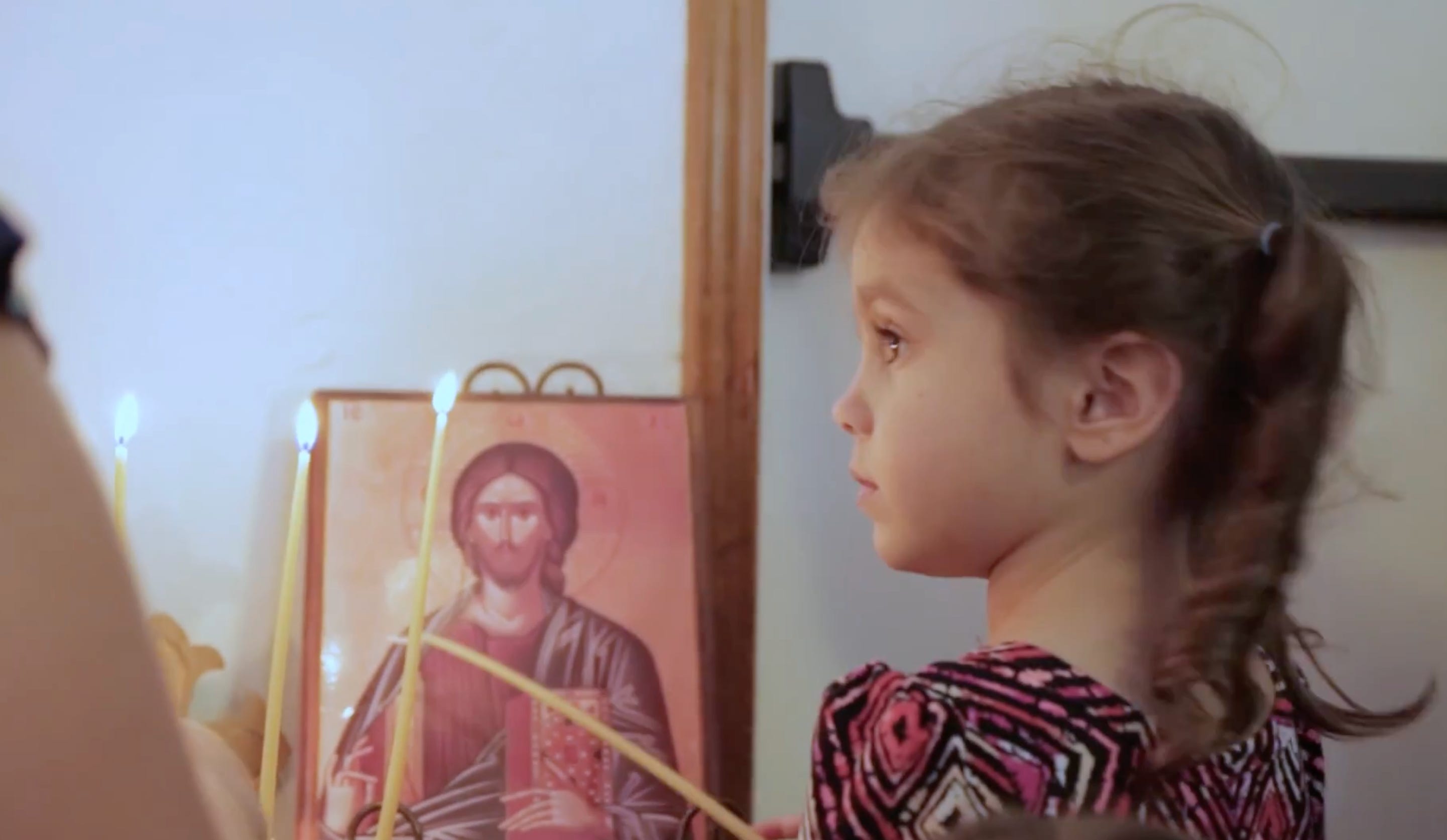
But this schedule also means that, when our children and young people arrive at the Divine Liturgy, their hearts are already prepared. They’re not just rolling out of the car, half-asleep, and then slumping over in a pew; they’re bringing flowers or candles with them into the nave; they are bringing hearts that are bright and full and open to the Most Holy Trinity.
If you would like to help us build a beautiful temple in which those children—and generations after them—will be able to worship, please pray with us (Akathist: PDF/video), become a paid subscriber, or—even better—make a direct donation to our project.
Those children will bless you forever.
CGS is really beautiful
The idea of calling our parish fundamentalists is funny. There are such strong rules in place about not judging people and a strong pattern of working from consensus.