

Domes Done Right
In our posting over the last several weeks, we’ve spent a lot of time talking about domes.
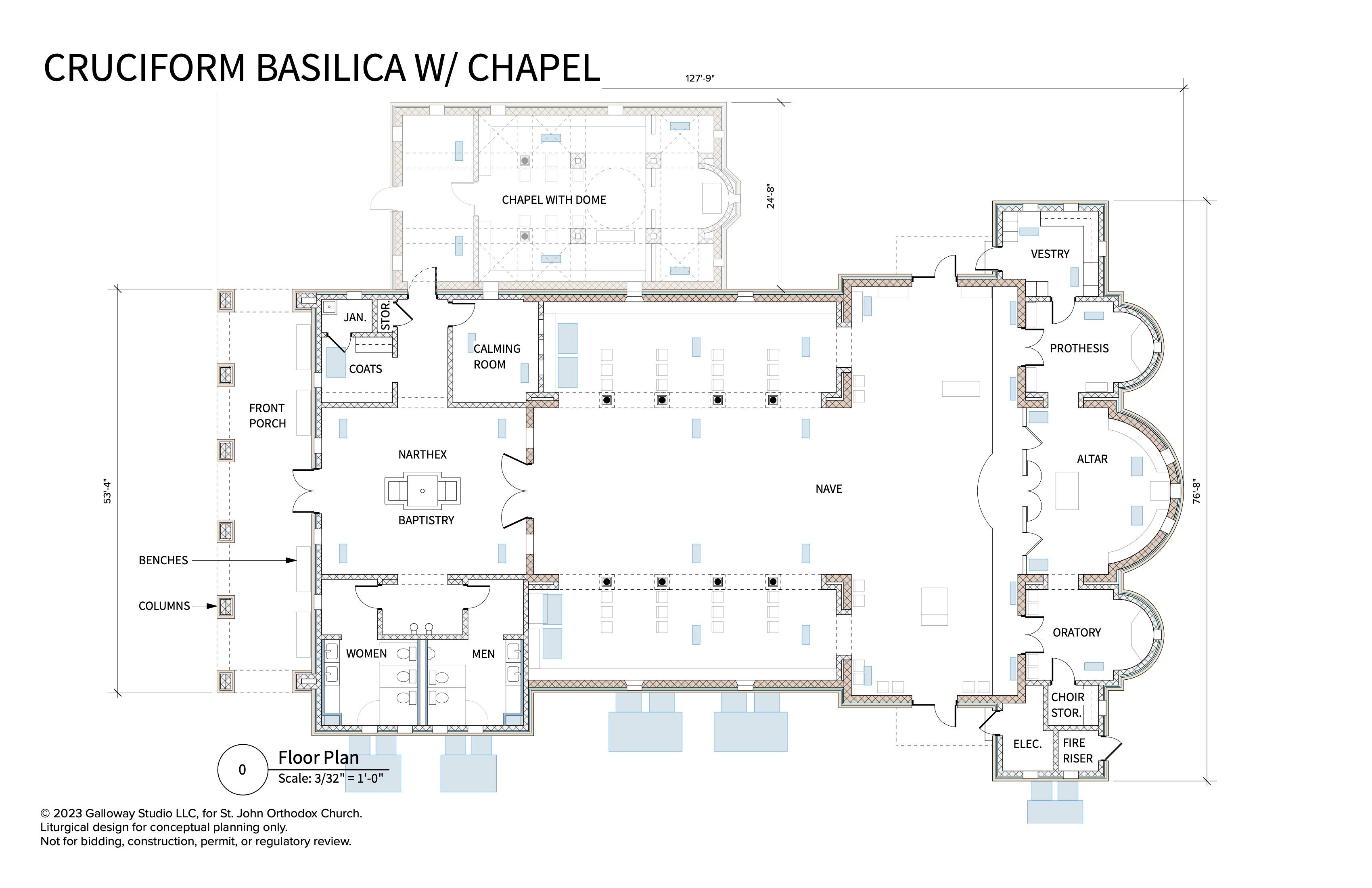
We’ve made the point that doing a dome right is an expensive undertaking—in fact, that’s one of the main reasons why, at St John’s, the temple we’re planning to build is going to use the Basilica Design, a model that does not require a dome.
But, then, lots of folks want to know: If domes are so darn dear (yeah, we went for the alliteration on that one), then why do you see them on so many Orthodox buildings?
Well, that’s because most of those features are not Structural Domes; they’re Ornamental Domes.
Here’s the difference:
Structural Domes are constructed using brick, stone, reinforced concrete, or whatever structural system is being used in the walls of the building. Those structural materials are used to create an open half-sphere dome on top of a cylindrical drum-shaped opening. To connect the dome to the rest of the building, a variety of techniques are used.
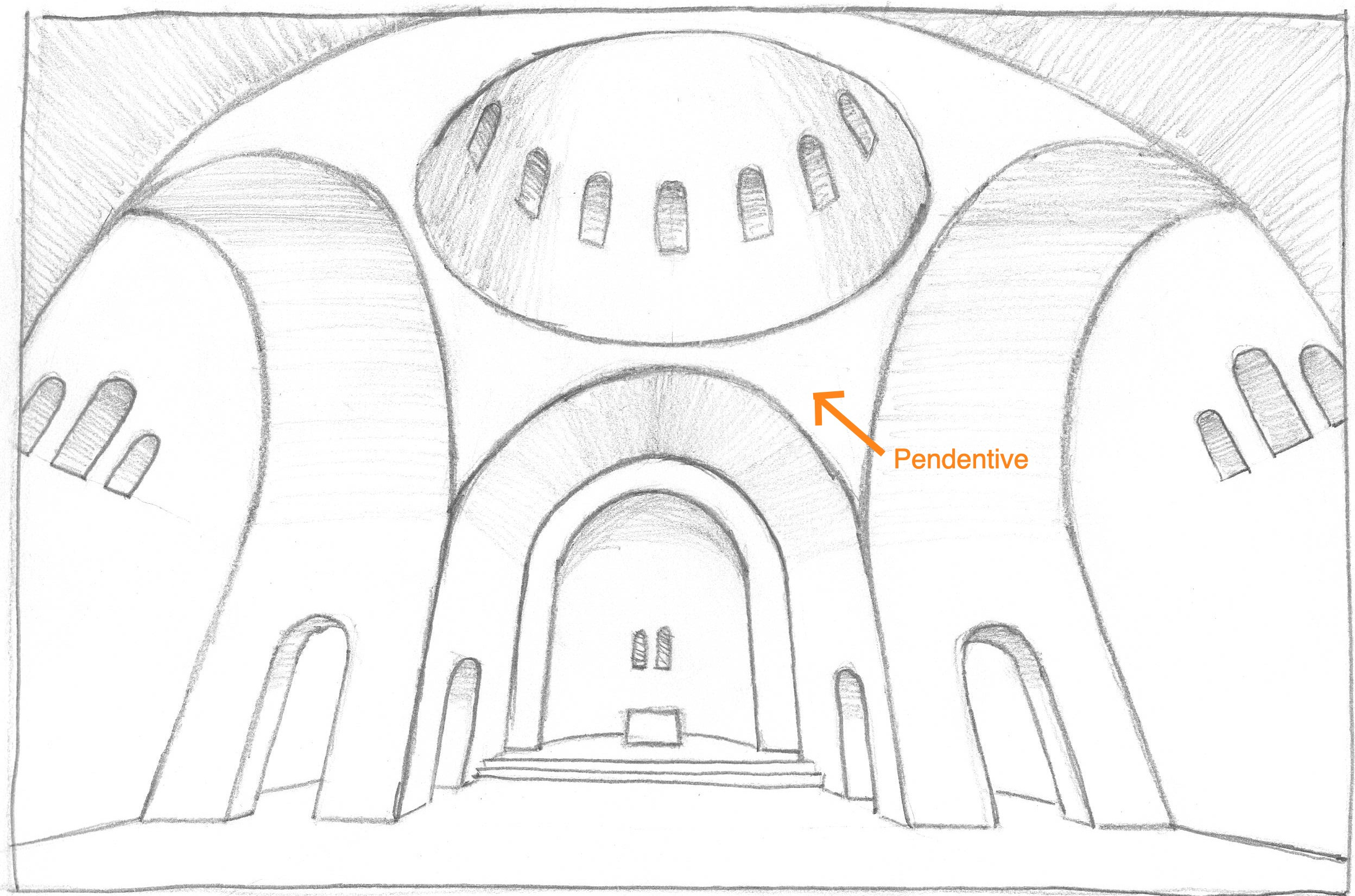
With a four-pillar base, triangular pendentives transition the bottom opening of the dome down to the four main columns.
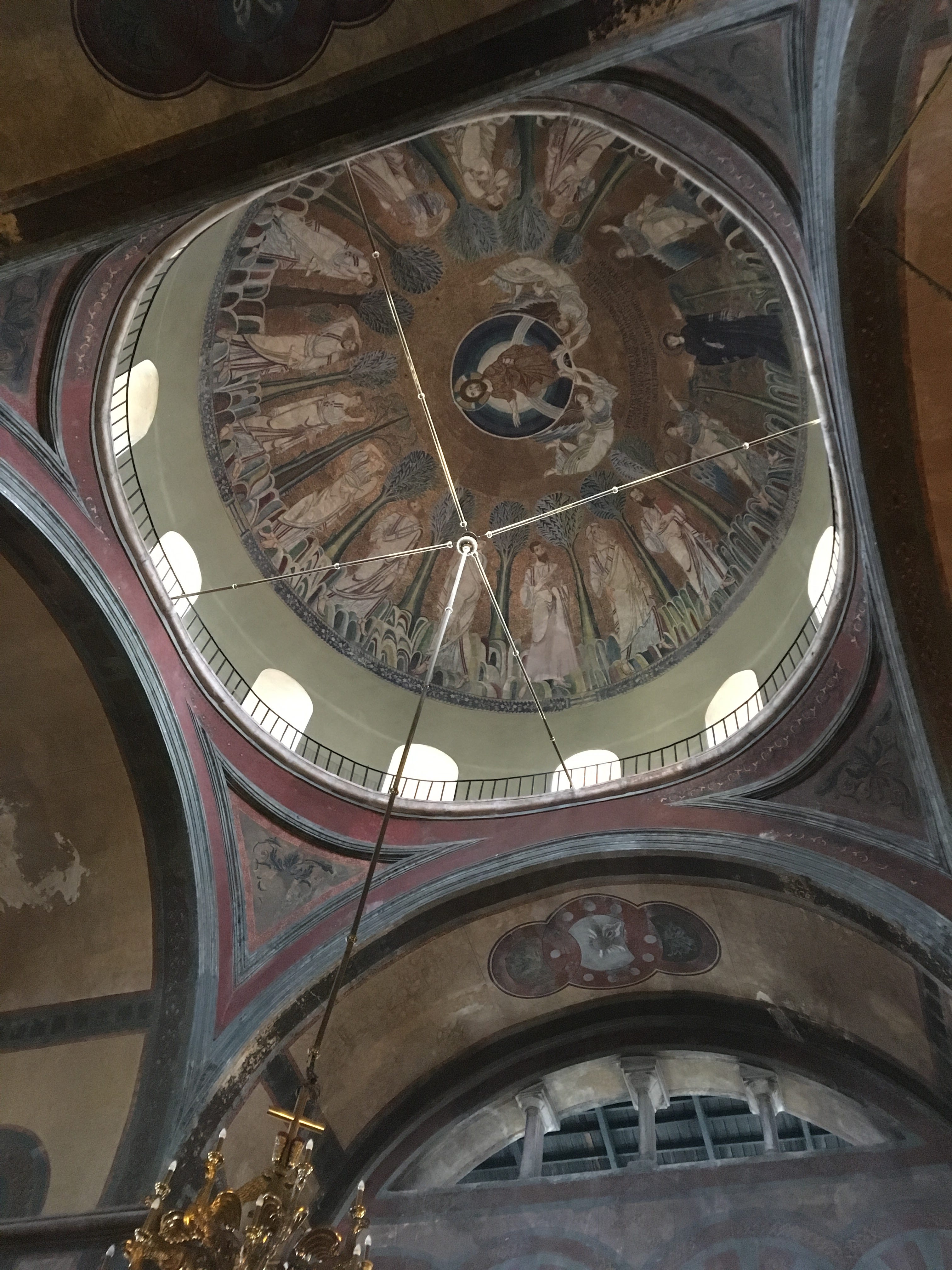
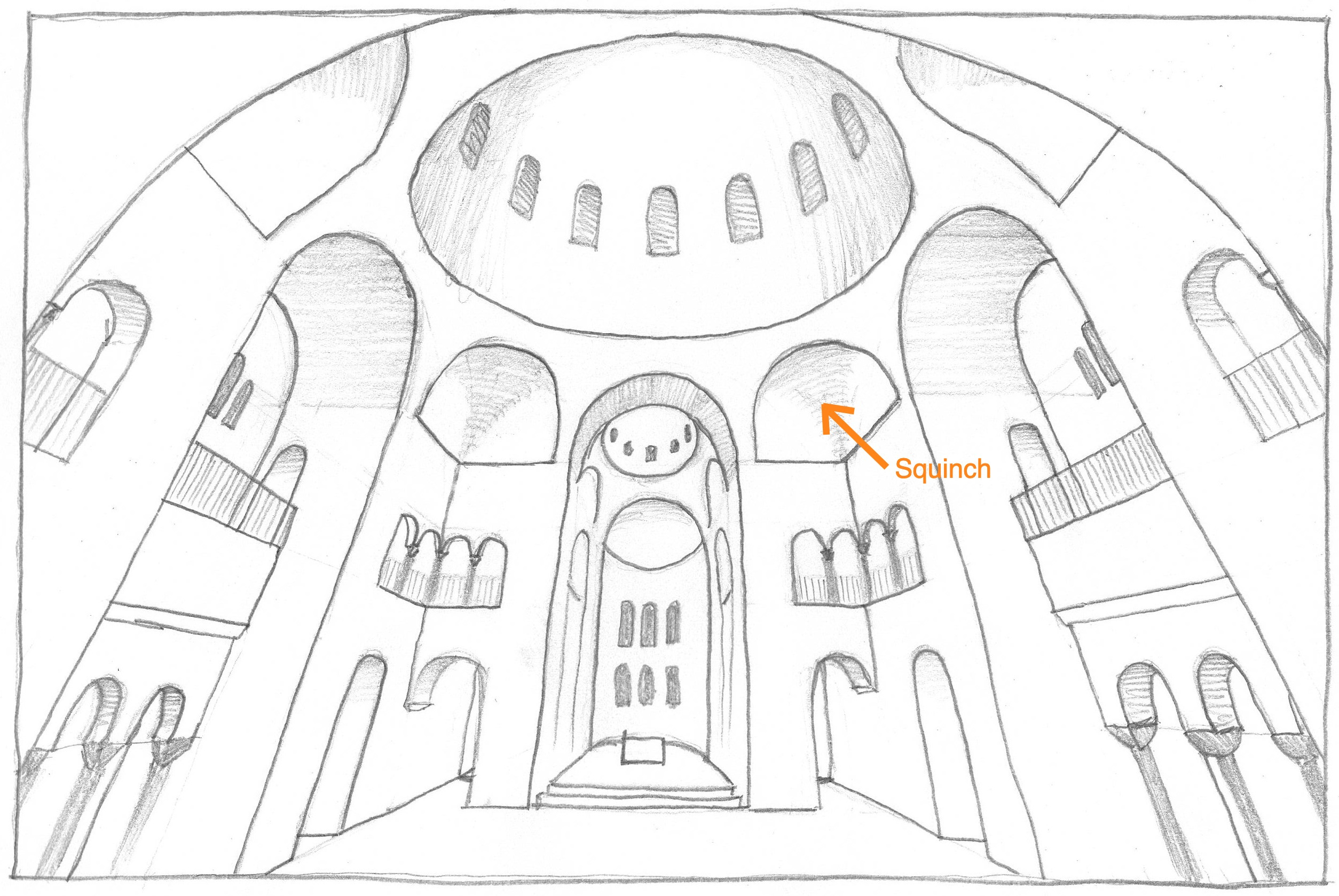
With a square or octagonal base, semicircular squinches (which is just the coolest word ever) transition the bottom opening of the dome down to eight points, which can then be supported either by columns or the walls.
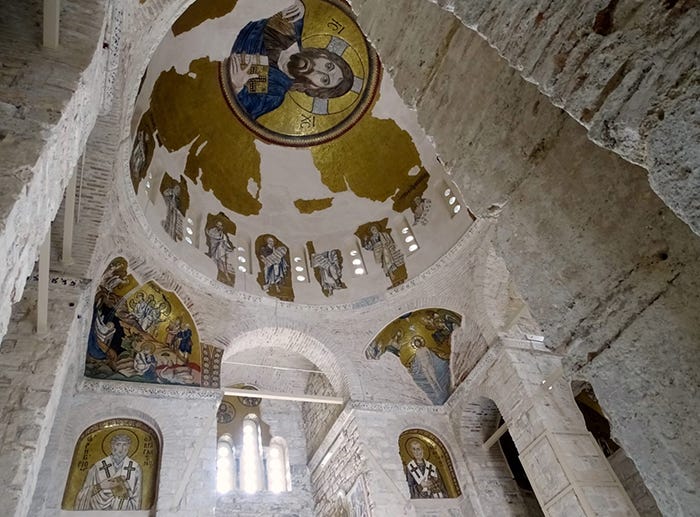
But these techniques also allow the massive weight of the brick and concrete vault to be distributed throughout the building.
On the other hand, Ornamental Domes are manufactured using metal, fiberglass, PVC, or wood. These vaults are then positioned with a crane and attached to the building in a variety of ways:
sometimes they are mounted on the building’s structural frame;
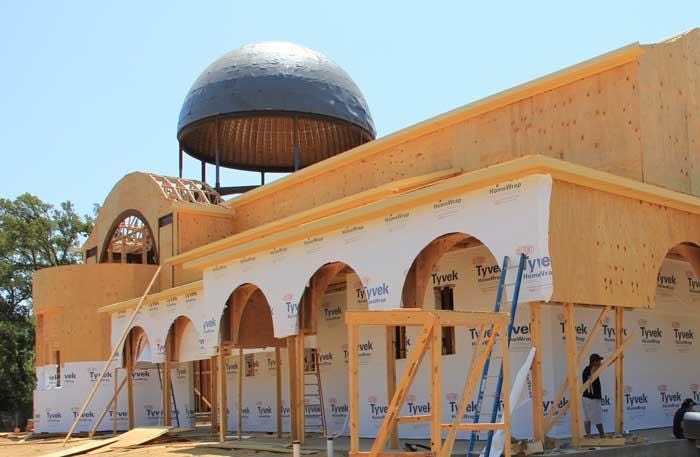
sometimes they are simply fixed to the top of the structure.
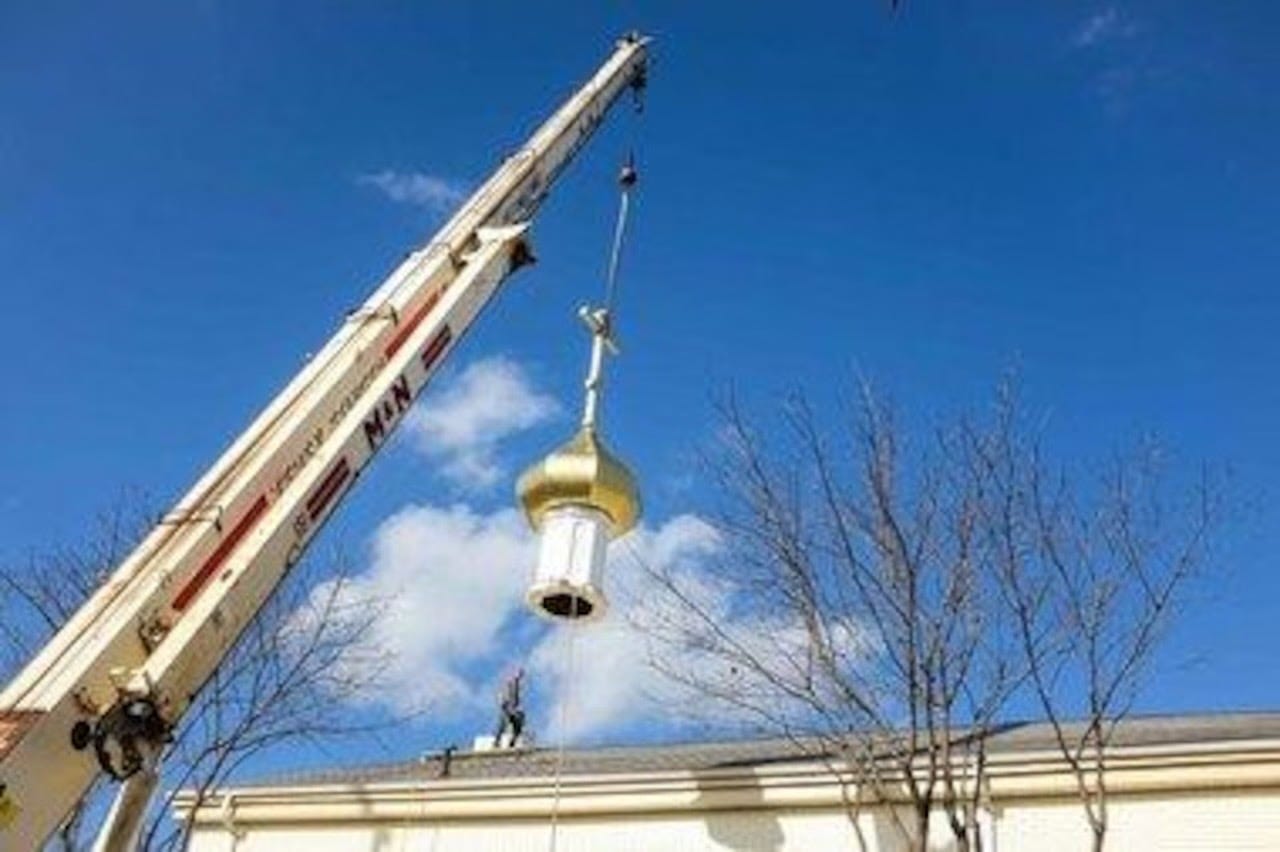
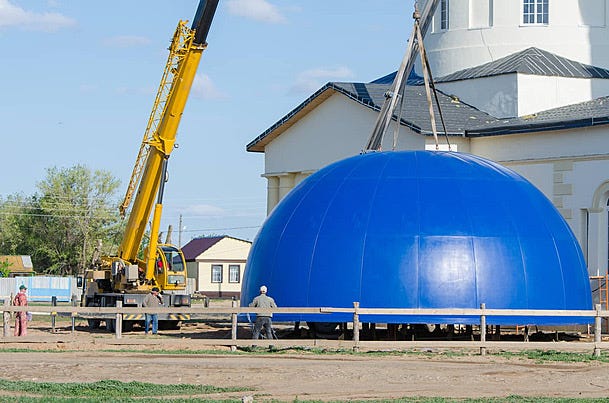
This approach does not require pendentives or squinches because an Ornamental Dome doesn’t weigh anywhere near as much as an Actual Dome. However, you will still often see faux (that’s French for fake) pendentives and squinches made of sheetrock in buildings that feature an Ornamental Dome because that’s what folks expect an Orthodox temple to look like, and so they are added as decorations.
So, what’s the Take Away on all this?
The main thing to notice is that Structural Domes are more expensive because including that feature in a building has a dramatic impact on the entire structure: the temple must be able to support the pressure that is going to be generated by that kind of vault.
But the question then becomes: why in the world should we go to all that trouble? If more modern, less expensive techniques are available—and the end result looks pretty much the same—why choose a Structural Dome over an Ornamental Dome?
We’ve actually written about this dynamic before, but, this time around, let’s think about it like this:
Somewhere, right now, there’s a chanter who’s experimenting with an app that will provide the ison, or drone note, to accompany him when he’s singing. He doesn’t have anyone in his community who really knows how to do that, but the app is free, and the more he tries it out, the better it sounds.
Somewhere, even as you are reading this post, there’s a priest who has just printed off his first AI homily. It’s been a busy week with lots of meetings and hospital visits and extra time spent helping a family in crisis, and he tells himself that he will only go to the Large Language Models when there’s another week like this one, but, as he reads the sermon, he’s amazed at how good it is.
Somewhere, down the road, you’re at a Pan-Orthodox Conference, and you’re in the vendor area, and you see a sign for an Iconographic Artist. When you get to the booth, what you find is a really friendly couple who specializes in customized, computer-generated Iconic Images: they never use the words icon or iconographer, but they produce some really amazing items on their 3D printer, and you end up buying one of their Real Reproductions for your prayer corner at home.
That’s the world in which we live, a world where people are no longer entirely sure what is and is not real. So, what we do in the Church has to be rock-solid reliable, from the music that we sing, to the words that we speak, to the images that we venerate.
And, of course, that includes the temples that we build.
But there’s still one other way that folks push back on all this: They point out that it’s 2026. They point out that no one does that kind of monumental architecture anymore. They point out that if we’re so concerned about what is real, then we need to get real about the real limitations of the real world in which we live.
But here’s what we say to that: Check out this beautiful slice of reality
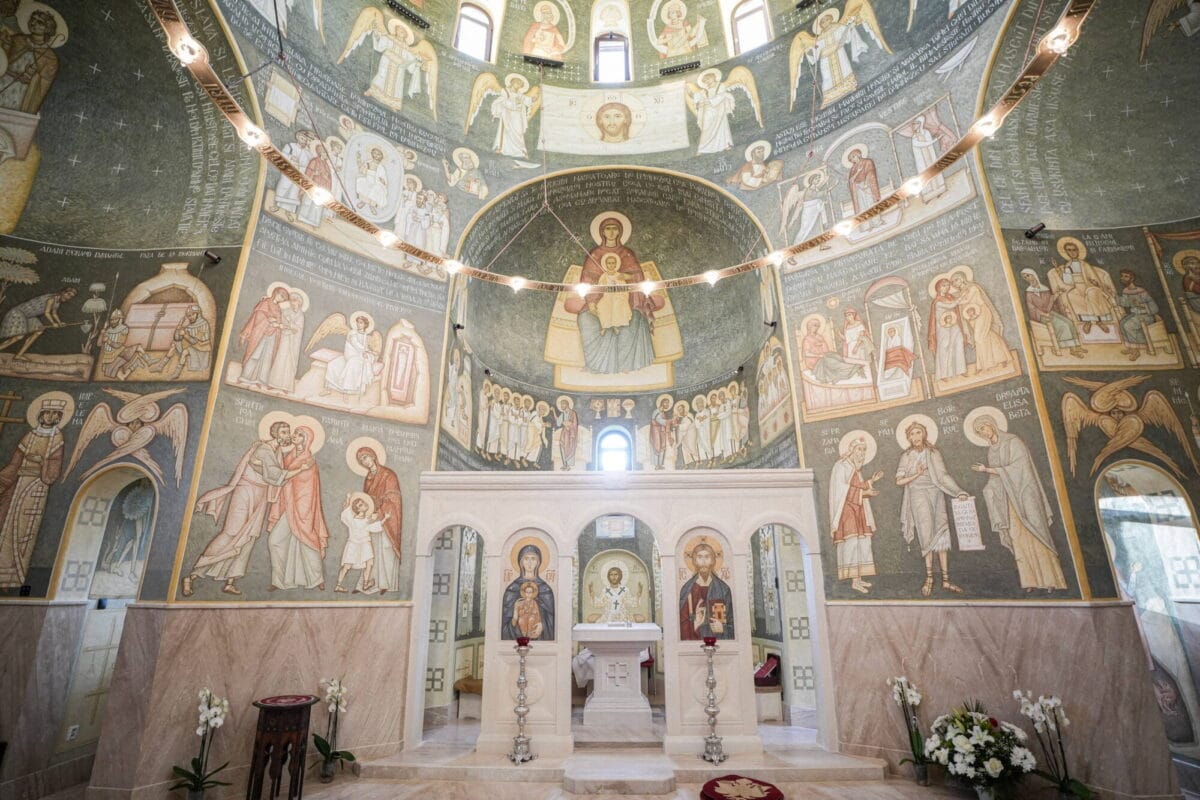
This temple was completed in Romania just last year, and it features a Structural Load-Bearing Masonry Dome


And, hey, if they can do it in Romania, we can do it in Texas.
Now we’ve already made it clear that our temple is going to be constructed using the Basilica Design. But the much smaller chapel we’re planning will have a dome, and you’d better believe it’s going to be a Structural Dome.
Of course, one advantage that the folks in Romania have on us is that they got some of their funding from state sources. Texas is still a fairly religious place, but our State Legislature isn’t likely to put together a bill to help us build everything we’d like to build (though, for sure, if anyone connected with the governor’s office would like to give us a call, we would be happy to talk with you!).
That’s why we’re out here on these internet intersections raising money, so please share this post with everyone you know, and think seriously about taking out a Paid Subscription, purchasing a Come See Something Beautiful hoodie, commissioning an image of a departed pet for the Calming Room of our new temple, or making a direct donation to our Building Fund.
And, by all means, offer the Akathist for a New Temple (PDF/video) with us every single week.
We’ll sign off with a little construction music by The Jordanaires, and we’ll look forward to that day when we will get to pray with all of you in our new, domed chapel.